

The Daily Practice of Ethical Leadership

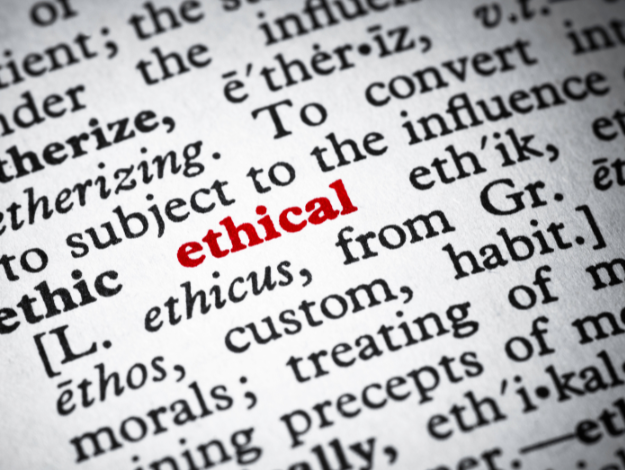
Ethical leadership is often spoken about as if it is a matter of principle, policy, or personal virtue. And while those things matter, they are not enough. In practice, ethical leadership is revealed in what people experience from us when the pressure is high, the facts are inconvenient, and the easier course is available.
I have learned that culture is shaped by what we tolerate, what we reward, what we challenge, and what we are prepared to do when no one is forcing us to do it.
The Gap Between Standards and Behaviour
Most organisations have values, many have codes of conduct, and some have elegant governance frameworks. None of these, on their own, create ethical behaviour though. They create a reference point. The culture is created when leaders act against those standards, for those standards, and in accordance with those standards when it costs them something. That is the real test.
It is easy to speak about integrity when there is no consequence. It is harder to remain fair when you are frustrated, transparent when you are exposed, or disciplined when you are under pressure. It is harder still to acknowledge that the ethical question is whether we have been sufficiently honest with ourselves.
I have seen this in boardrooms, businesses, schools, and teams. The moment of ethical leadership is often small.
It is the decision to ask one more question before reaching judgment.
It is the willingness to separate fact from irritation.
It is the discipline to give someone a fair hearing, even when you disagree with them.
It is the courage to confront poor performance without humiliation.
It is the refusal to allow loyalty to become silence.
A leader shapes culture by how meetings are run, conflict is handled, credit is allocated, mistakes are addressed, and decisions are explained. A leader shapes culture by whether people leave a room clearer or more confused, and whether the organisation learns from discomfort or merely survives it.
Lessons from the Mountain
There is a useful metaphor in the role of a Sirdar on a climb. The guide does not point to the summit and speak about aspiration. He watches the weather, reads the terrain, checks the rope, adjusts the pace, and makes decisions that may be unpopular because the safety of the group depends on them. He does not confuse movement with progress. He knows that getting higher is not the same as getting there well.
Leadership is similar. Ethical leaders must carry ambition, but they must also carry responsibility. They must understand that the route, pace, and the manner in which people are treated on the climb matters. This is not softness, it is seriousness.
Ethical leadership requires consistency. People watch leaders carefully. They notice whether standards apply equally, whether underperformance is excused because someone is popular, whether difficult truths are softened until they no longer mean anything, and whether promises are kept when circumstances change. In that sense, ethics is operational.
The Case for Firmness
There are moments when ethical leadership requires firmness. A culture that avoids hard conversations is not kind; it is weak. A culture that allows repeated failure without consequence is not compassionate; it is unfair to those who are carrying the load. A culture that hides behind consensus when direction is needed is not inclusive; it is evasive.
The ethical leader must therefore be both humane and exacting. One without the other is incomplete. Humanity without standards invites mediocrity, and standards without humanity inspire fear. The task is to hold both.
The Discipline of Introspection
For me, the most important discipline is introspection. Before we ask whether others are aligned, committed, or honest, we must ask whether we have been clear, direct, fair and brave enough. We must ask whether we have allowed sentiment to replace judgment, or frustration to replace fairness, and whether our conduct is creating the culture that we claim to want.
Ethical leadership is doing the right thing before it becomes necessary to explain why you did not. This requires acting early (not waiting for a crisis), telling the truth while there is still time for people to respond, making decisions that may not be popular but can be defended in daylight., and being prepared to be judged by the same standard that you apply to others.
Culture is not shaped by slogans on walls. It is shaped by the daily conduct of those who carry authority. That is why ethical leadership is a practice.
Image copyright Pgiam from Getty Images Signature via Canva